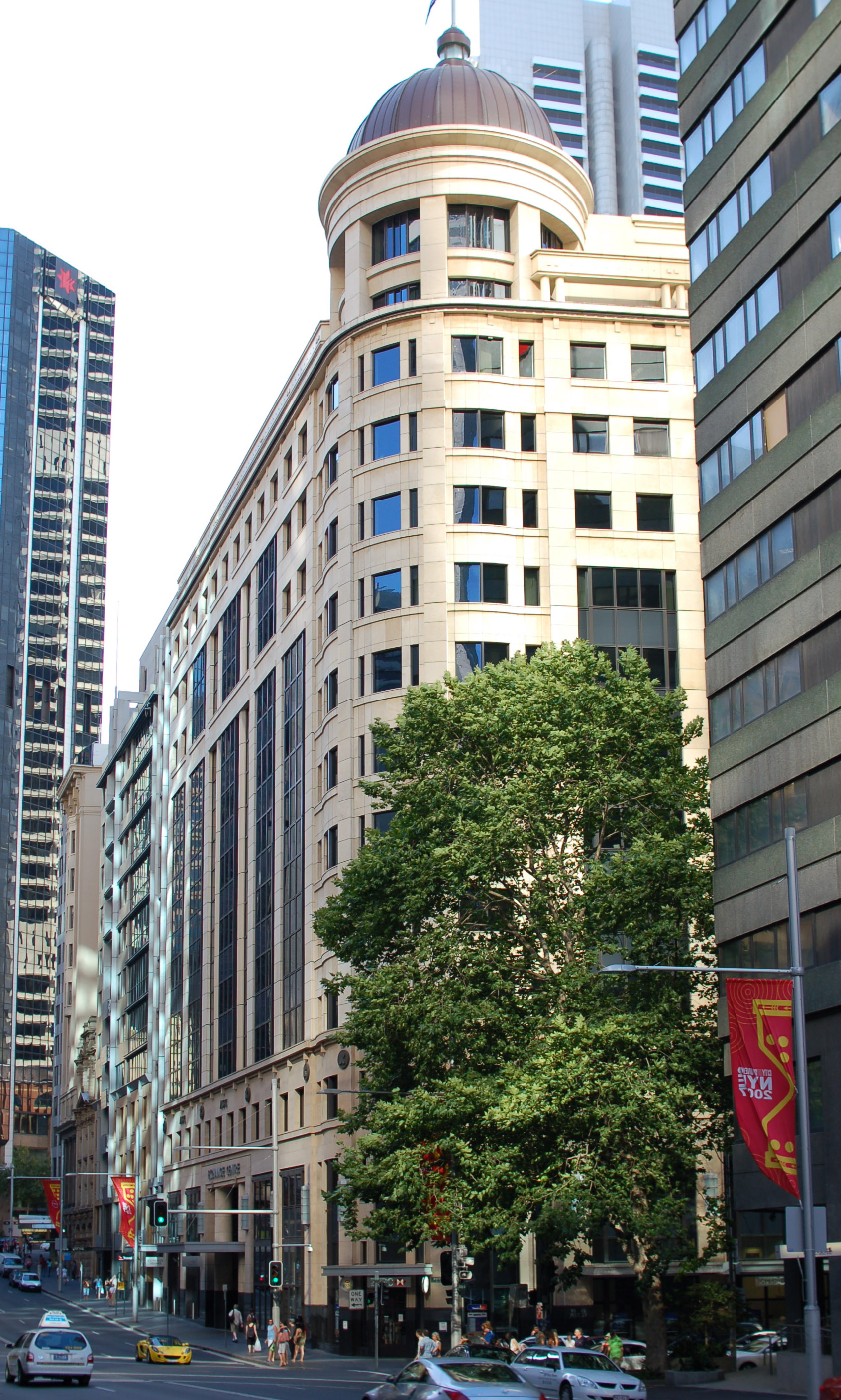
Sydney consistently ranks as Australia's most expensive capital city. This guide explains, at a concept level, what shapes the cost of living in Sydney, how the main drivers fit together, and where to find the current, authoritative numbers. It is general information only, not financial or legal advice. Because prices, rates and thresholds change, this article deliberately avoids quoting figures and instead points you to the official sources that publish live data.
Why Sydney costs what it does
Greater Sydney is Australia's largest city economy, generating the majority of New South Wales' economic output and a substantial share of national GDP. It is the country's financial capital, home to the Australian Securities Exchange, the Reserve Bank of Australia and the head offices of the major banks. Its economy is service-dominated, led by financial and insurance services, professional and technical services, and information media and telecommunications, with construction, health care, education, tourism and technology also employing large numbers. Current output and industry figures are published by the NSW Government.
That concentration of high-output industries and jobs, spread across precincts such as the Sydney CBD, North Sydney, Parramatta (the designated second CBD), Macquarie Park and the emerging Western Sydney Aerotropolis, draws people and investment. NSW has historically run a relatively low unemployment rate and a steadily growing population. Strong demand against constrained housing supply is the structural backdrop to most of Sydney's living costs.
The biggest driver: housing
Housing, whether rent or a mortgage, is by far the largest single component of the cost of living in Sydney. The city is Australia's most expensive housing market, with median dwelling values well above $1 million and house medians higher still. The market is cyclical and rate-sensitive: values tend to fall when interest rates rise and recover when they ease. Current median values and growth figures are published by data providers such as Cotality (CoreLogic), Domain and PropTrack, and by the Australian Bureau of Statistics.
For buyers, property is usually sold by private treaty or by public auction, the latter especially common in Sydney. In practice a deposit (commonly around 10%, though negotiable) is paid at exchange of contracts, with settlement typically several weeks later, and a cooling-off period applies to private-treaty sales but not to auction purchases. Purchasers generally pay transfer (stamp) duty, administered by Revenue NSW on a sliding scale tied to value. Foreign buyers pay an additional surcharge, while eligible first home buyers may qualify for an exemption or concession under the First Home Buyers Assistance Scheme. Current brackets, surcharge rates and thresholds, plus a duty calculator, sit on the Revenue NSW site.
Renting in a tight market
Most rentals are managed by a licensed agent. Tenants apply, sign a residential tenancy agreement and lodge a bond capped at four weeks' rent, which must be held by NSW Fair Trading, normally through Rental Bonds Online. Sydney's chronically low vacancy rates have driven strong rent growth, which is why rent dominates many household budgets.
Tenancy rules have changed recently. Since 19 May 2025, "no grounds" evictions are unlawful in NSW: a landlord must give a valid, prescribed reason with evidence to end a tenancy. Rent on an ongoing tenancy can be increased no more than once every 12 months, and although increases are not capped by a percentage, a tenant can challenge an increase they consider excessive at the NSW Civil and Administrative Tribunal (NCAT). Recent reforms also made it easier to keep pets and required landlords to offer a fee-free way to pay rent. The current, authoritative detail sits with NSW Fair Trading.
Transport, energy and groceries
After housing, transport is a major outlay: public transport fares run through the Opal card system set by Transport for NSW, with concession and fare-cap rules, alongside petrol and the broader costs of running a car. Energy bills and groceries round out the everyday essentials, and childcare or early education is a significant cost for many families. Rather than quote fares or prices that change, check current Opal fares via Transport for NSW and track grocery and energy movements through the ABS price indexes.
Where to find current figures and support
Several official bodies publish the live data behind these costs. The ABS publishes the Consumer Price Index, the Selected Living Cost Indexes and rental data. The Reserve Bank of Australia sets the interest-rate settings that flow through to mortgages. NSW offers cost-of-living rebates and the Start Strong early-childhood fee relief program; current concessions, amounts and eligibility are on Service NSW. For general money guidance, the federal Moneysmart site is a useful neutral starting point.
If you are weighing up a move, a purchase or a tenancy, the consistent theme is that housing sets the tone and everything else layers on top. Treat the official sources above as your reference for the latest figures rather than any single number you read second-hand.
Sources: NSW Government (economy), Australian Bureau of Statistics, Reserve Bank of Australia, Revenue NSW (transfer duty), Revenue NSW (calculators), NSW Fair Trading (rental law changes), Rental Bonds Online, Service NSW, Moneysmart.
Related Articles
Sources:
Source material used in preparing this article is listed below so readers can check the original record.