Community
How Sydney became a city in 250 years
From penal colony to world metropolis, the landmark moments that shaped Australia's oldest European settlement.
2 min read
Updated Fri, 28 Aug
Community
From penal colony to world metropolis, the landmark moments that shaped Australia's oldest European settlement.
2 min read
Updated Fri, 28 Aug
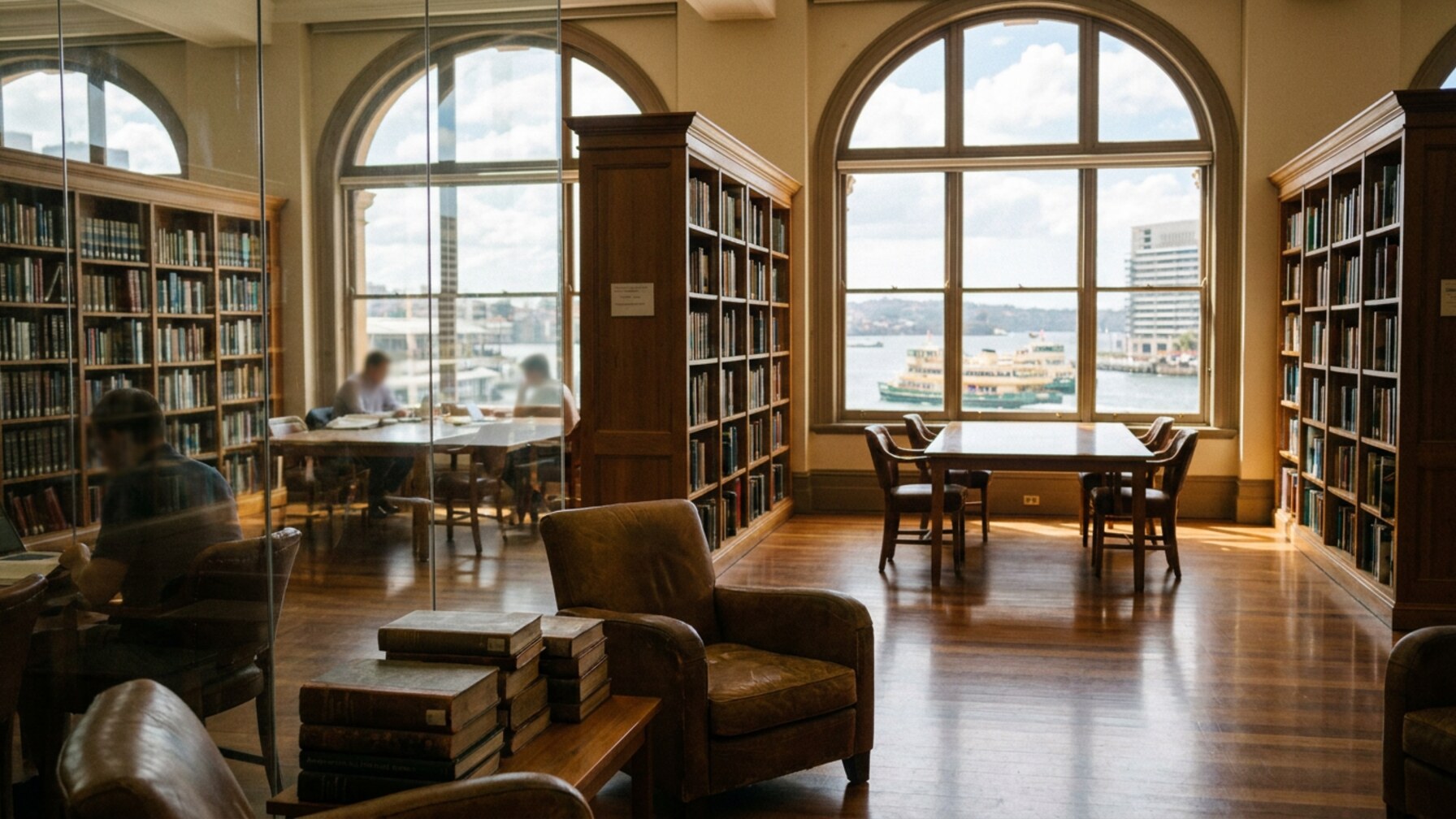
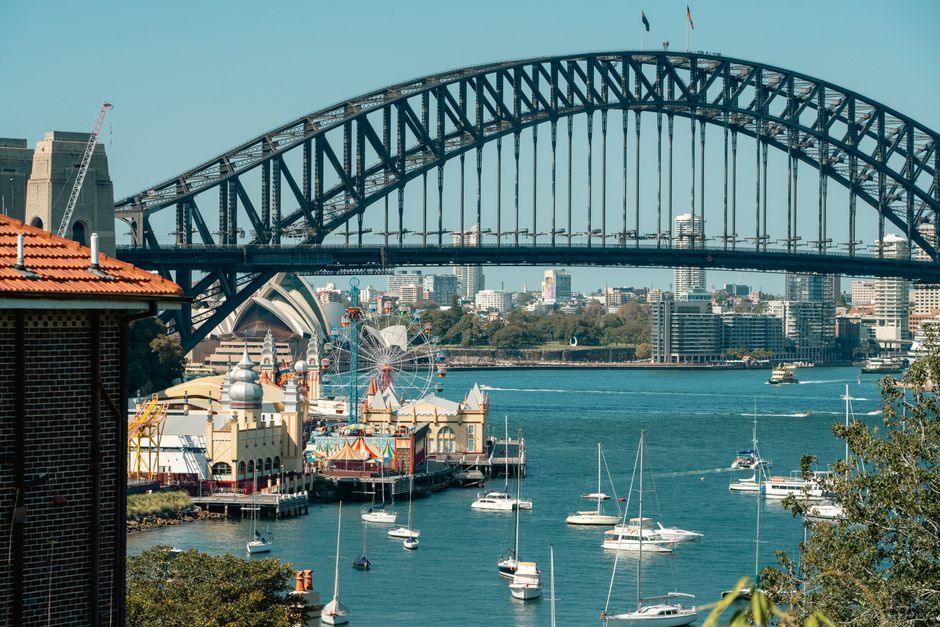
Sydney's history begins with the Gadigal country of the Eora Nation and the First Fleet's arrival on 26 January 1788, the date whose significance Australians continue to debate, and extends through 236 years of colonial expansion, gold rush migration, Federation, two world wars, and the multicultural transformation that makes the city of 2026 almost unrecognisable to the Sydney of 1950.
The Rocks, Sydney's oldest neighbourhood, the sandstone lanes and heritage pubs of The Rocks preserve the physical fabric of the oldest continuous European settlement in Australia. The Rocks Discovery Museum, the Cadman's Cottage (1816, oldest surviving house in Sydney), and the Campbell's Cove storehouses together create the most concentrated heritage precinct in Australia.
Hyde Park Barracks, the 1819 convict barracks designed by Francis Greenway (the transported forger who became Australia's first significant architect) is a UNESCO World Heritage Site and the most important surviving building from the convict era in NSW. The exhibition inside is the definitive account of convict transportation and the forced labour system that built colonial Sydney.
Australian National Maritime Museum, the museum at Darling Harbour holds the vessels (the replica Endeavour, the submarine HMAS Onslow, the destroyer HMAS Vampire) and the maritime collections that document Australia's relationship with the sea from the First Australians' coastal cultures to the contemporary refugee crossings that the museum addresses with unflinching honesty.
Cockatoo Island and the harbour islands, the UNESCO World Heritage convict site in the middle of Sydney Harbour (ferry from Circular Quay), with the convict and industrial history overlapping in the surviving buildings, the drydocks, and the cramped convict accommodation that the self-guided audio tour brings to life.

Community
Community
Community

Community

Community
Community
About this articleBeta
Published by The Daily Sydney
Spread the word
Daily brief
Free, in your inbox before 7am. Weekdays.
The Daily Network — local news across Australia