The World
Pacific Islands Face Existential Climate Crisis From Rising Seas Today
For low-lying Pacific nations, rising seas and intensifying storms are not future scenarios but present-day threats to land, water, and sovereignty.
The World
For low-lying Pacific nations, rising seas and intensifying storms are not future scenarios but present-day threats to land, water, and sovereignty.
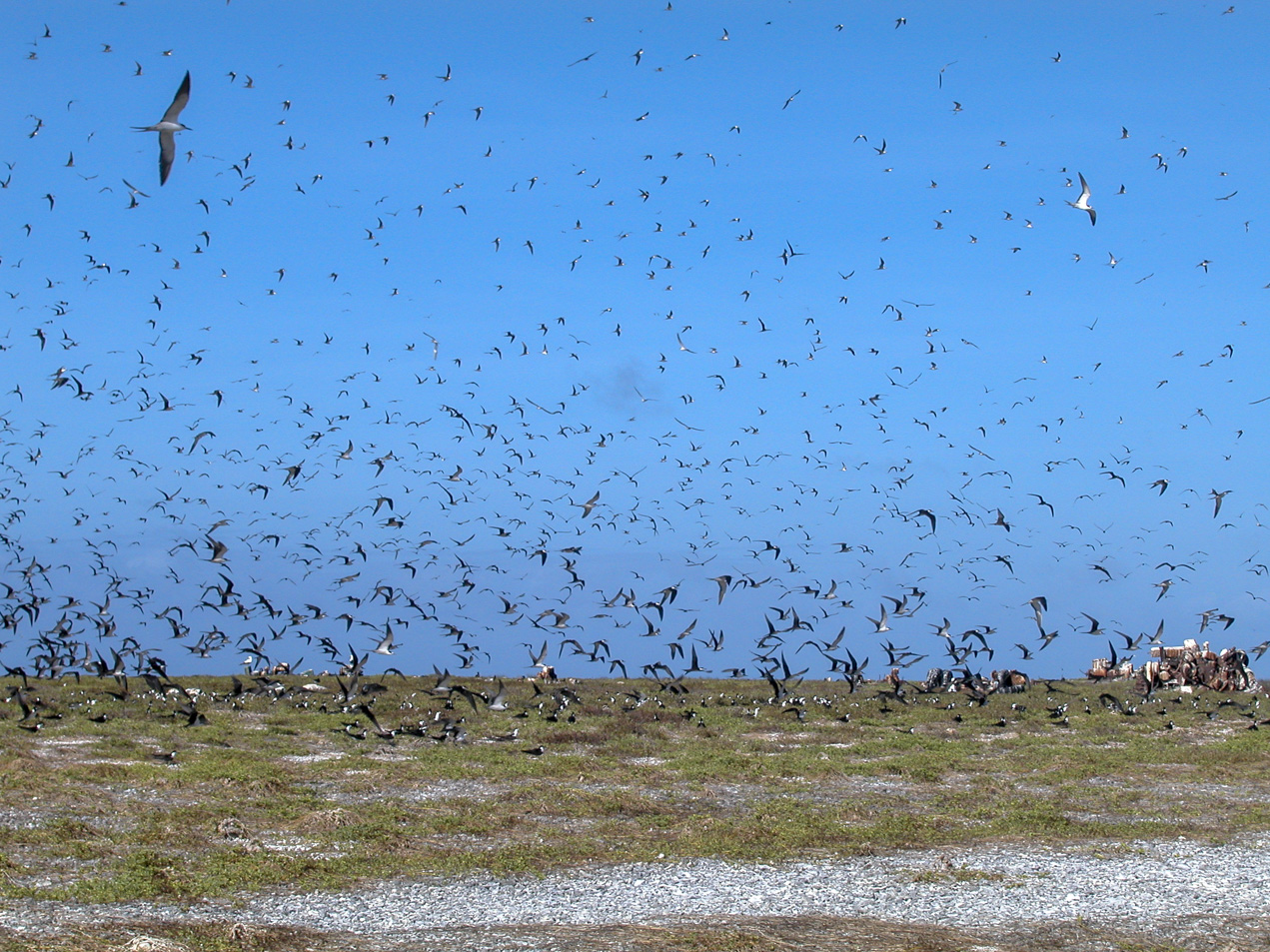
The Pacific Ocean covers roughly a third of the Earth's surface. Scattered across it are thousands of islands, home to dozens of distinct nations and territories. Many of these islands sit only a metre or two above sea level. For their residents, the effects of a warming climate, including rising seas, intensifying cyclones, coral bleaching, and saltwater intrusion into freshwater supplies, are not abstract projections. They are already changing how and where people can live.
The primary physical risk is not that islands simply disappear overnight. It is a cascade of more gradual but serious changes. As sea levels rise, even small increases in average ocean height amplify the damage done by high tides and storm surges. Freshwater lenses, the thin layers of drinkable groundwater that sit beneath low-lying atolls, become contaminated with saltwater as seas rise and storms overtop land. Coastal infrastructure, including roads, airports, and hospitals, becomes increasingly difficult to maintain. Agricultural land is lost to erosion and inundation.
For atoll nations such as Kiribati, Tuvalu, and the Marshall Islands, the question of whether their land will remain habitable within the lifetimes of people alive today is a genuine policy problem, not a hypothetical. Some governments have already purchased land in other countries as a contingency and are negotiating arrangements for their citizens to migrate while retaining aspects of national identity.
The potential loss of habitable land raises questions that international law has not fully resolved. A nation's maritime zones, including its Exclusive Economic Zone, which may span enormous areas of ocean with rich fisheries and potential resources, are currently tied to land territory. If the land disappears, the legal status of those maritime zones becomes unclear. Pacific nations and international legal scholars are working to establish that maritime boundaries should be fixed and preserved even if the underlying land is no longer habitable, a position that would require formal international recognition.
Pacific island nations have become among the most vocal and consistent advocates at international climate negotiations. Their moral authority is high: they contribute only a tiny fraction of global greenhouse gas emissions yet face some of the most severe consequences. This has made them influential voices in pushing for more ambitious global emission reduction targets and for increased climate finance from wealthier nations. At the same time, they sit at the centre of a broader strategic competition between Australia, China, the United States, and others seeking influence in the region, and climate assistance has become one instrument of that competition.
Australia's relationship with the Pacific is close and complex. Many Pacific Islanders have family connections to Australia, and Australia is a major provider of development and climate finance to the region. Pacific leaders have at times been direct in expressing frustration with Australian climate policy, particularly regarding the pace of emissions reduction. The potential for significant climate-driven migration to Australia from Pacific nations is a live policy question, and Australia has established specific visa pathways for Pacific workers and residents. How Australia manages its commitments to Pacific neighbours is one of the more visible tests of its regional leadership.
The Pacific Islands are not a distant case study in what climate change might eventually do. They are the clearest current demonstration of what it already does, which is why their governments have spent decades arguing for the world to take the problem more seriously.
Spread the word
About this articleBeta
Published by The Daily Sydney
More from The World
The Daily Network — local news across Australia